Change
On scribbles, scraps and speed
In 1993 I was in art school, I was a junior, I was in zero possession of original ideas, I was stuck, and I was miserable.
“CHANGE!” David Passalacqua, an adored life drawing teacher whose in-demand class I had somehow scored miraculous access to, shouted this every thirty seconds, sometimes sixty, sometimes a merciful two minutes, at the model on the platform in front of us. She would twist into a new pose before I’d barely made a mark on the newsprint. David had one rule besides showing up to class well before the bell rang or he’d shut the door and mark you absent. Hold up: Was there really a bell, or is that a false memory? I digress. His other rule: bring whatever you love to your drawing table. Books, pictures, objects, anything we enjoyed looking at, bring it in. So I propped up a book on Saul Steinberg, ancient tapestry images, postcards of old museum sculptures, a copy of RAW magazine, a few signs I’d peeled off the neighborhood lampposts, and looked around. To my right and my left, students had propped open books of Degas and Ingres. I thought about tucking away my lamppost finds, little paper ads for phone sex services, then chased the model around the page making panicked, exasperated scribbles, my charcoal snapping into pieces with the force of my angst.
By the end of the semester my scribbles had become people. Donning hats, or resting with thought balloons over their heads. Rocking kinky boots, or with bugged-out eyes inappropriate for a lithe woman reclining on a chaise lounge. The same thirty seconds that once got me a single mark now held enough time to put meat on their bones. Maybe add a little cartoon flourish.
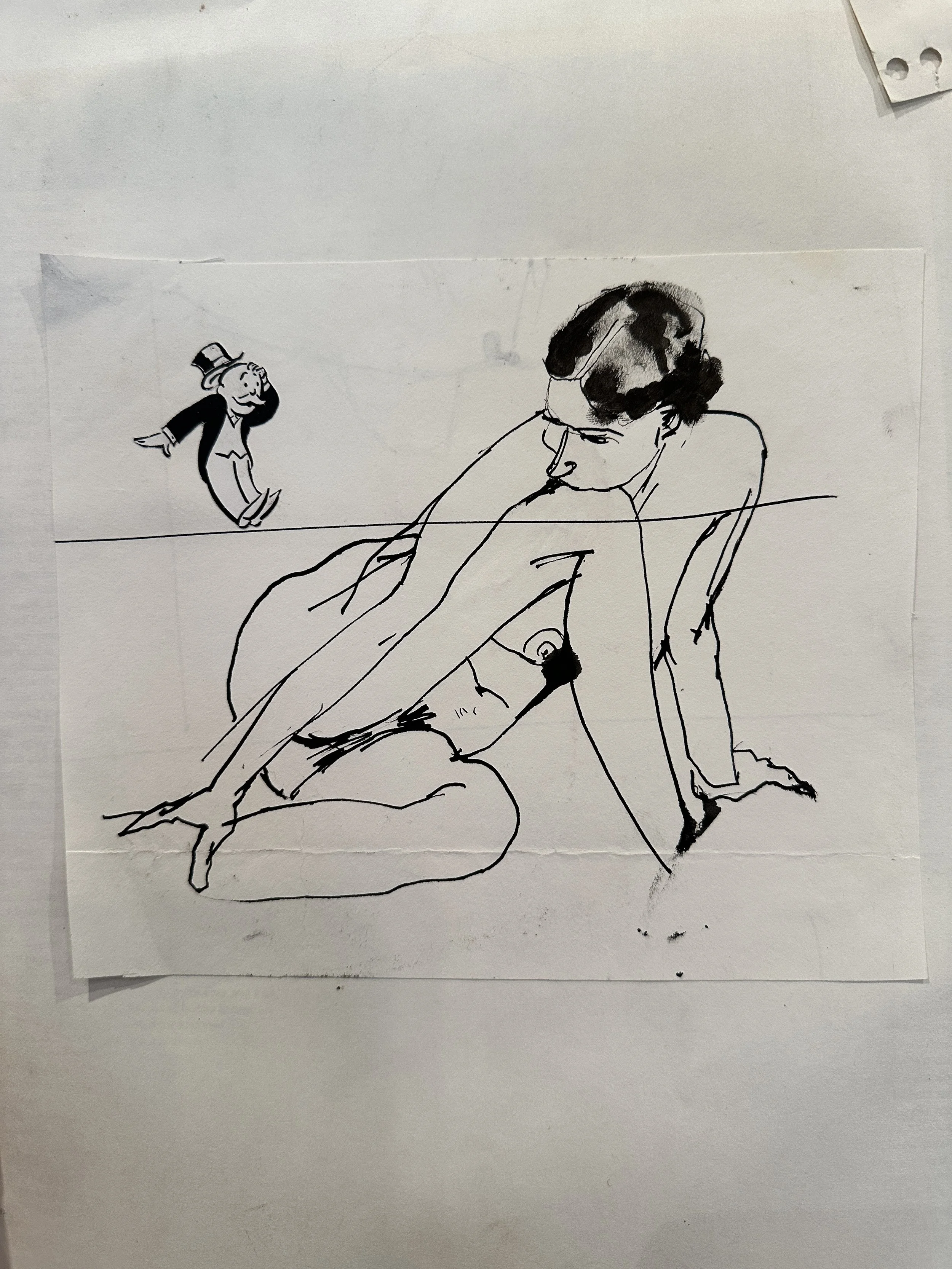
What does this image need? That’s right. The Monopoly man.
For a long time I forgot how much that class cracked me open. David had pointed me toward a way to harness my anxiety to make images that gave me joy. This summer I stepped away from the bench and remembered to look for new ideas by returning to what had moved me all along. I opened my oldest Pinterest boards and scrolled back through a decade of pinning. What I found were the throughlines to some of my earliest jewelry designs I’d made unaware they’d been shaped by the “drawing table” I’d built on those boards, across all manner of subjects, and then forgotten.
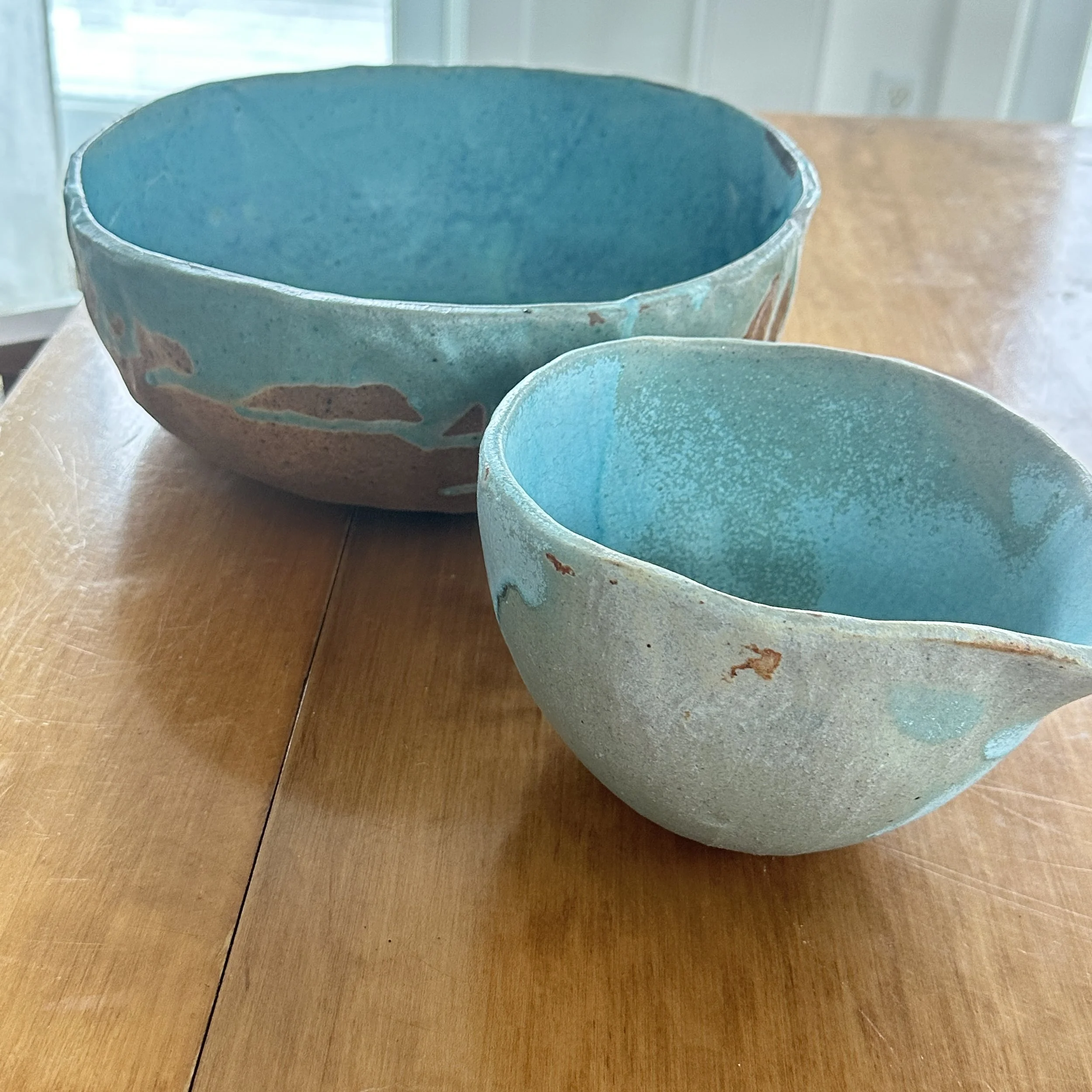
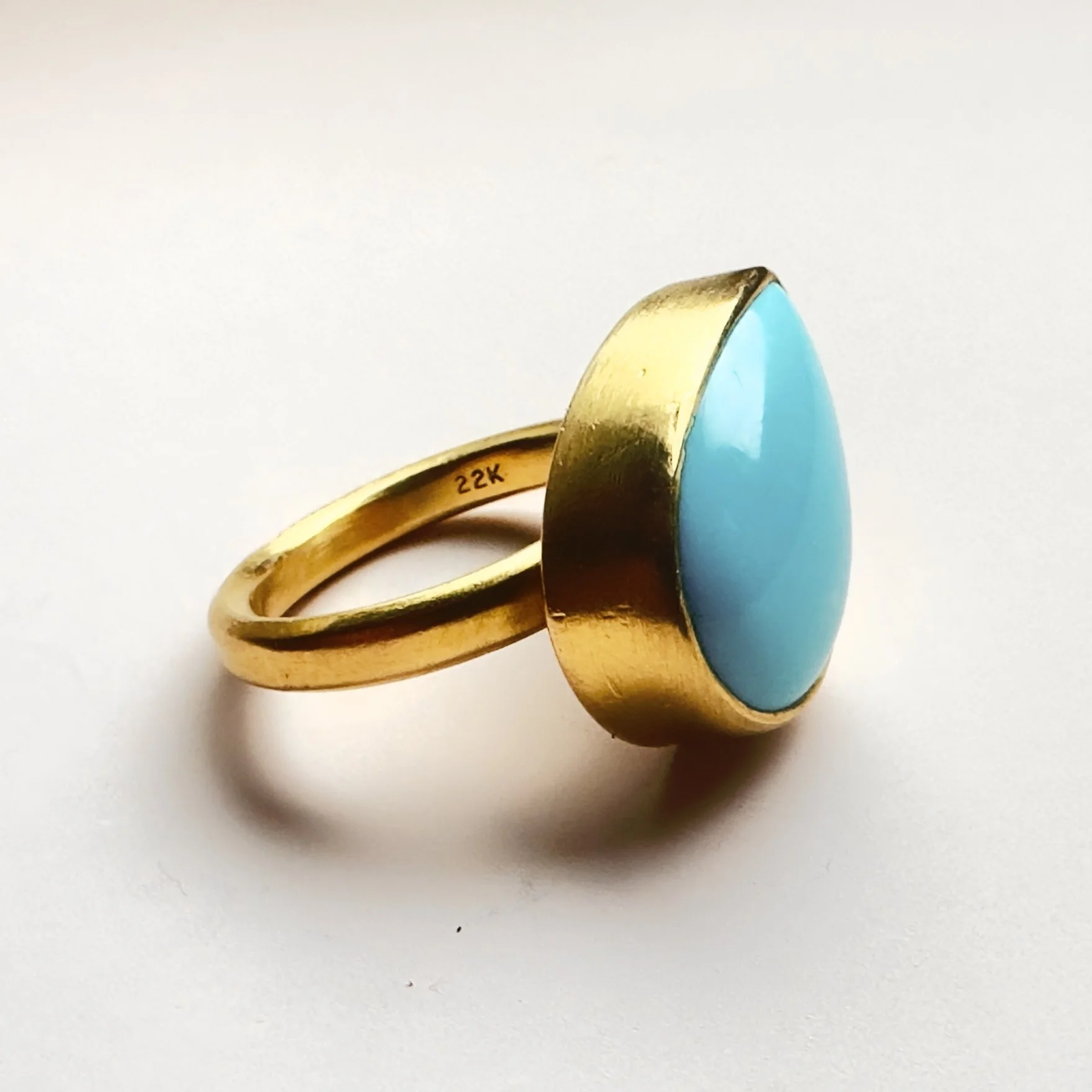
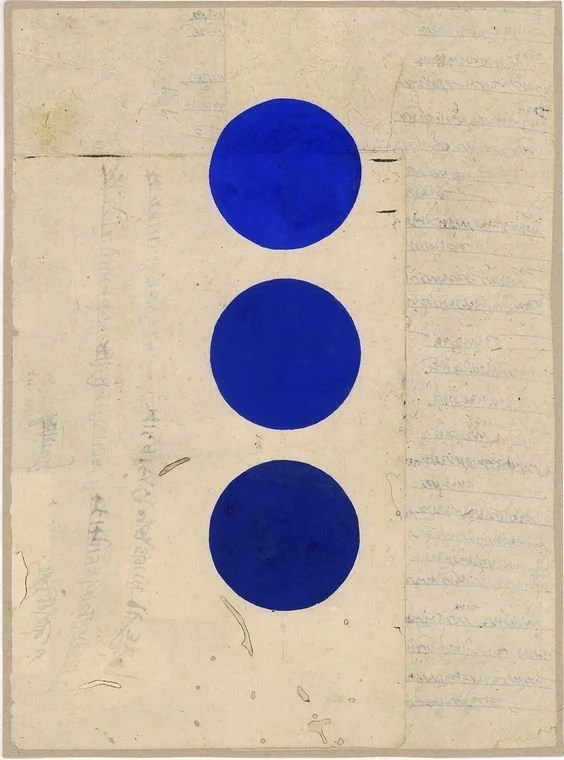
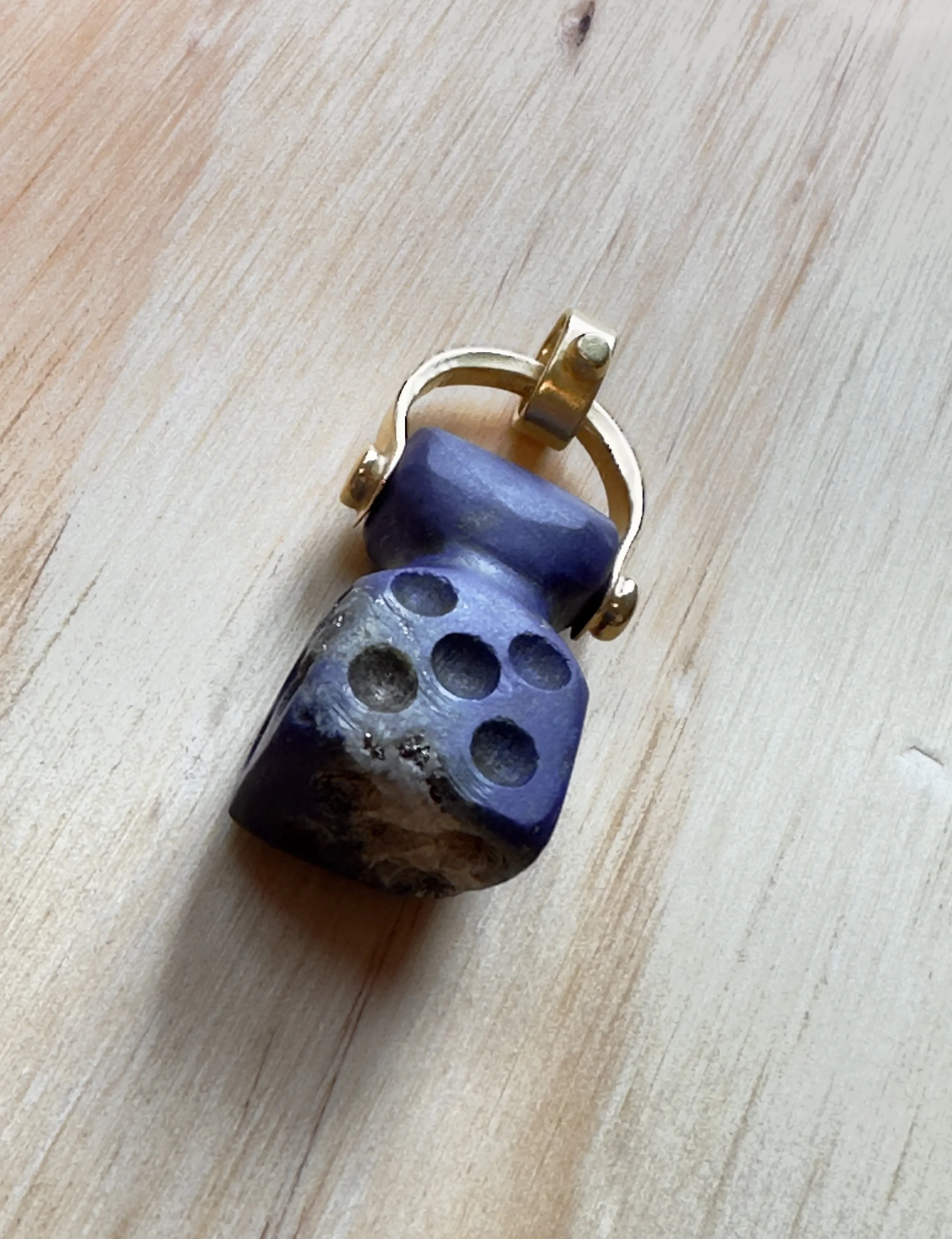
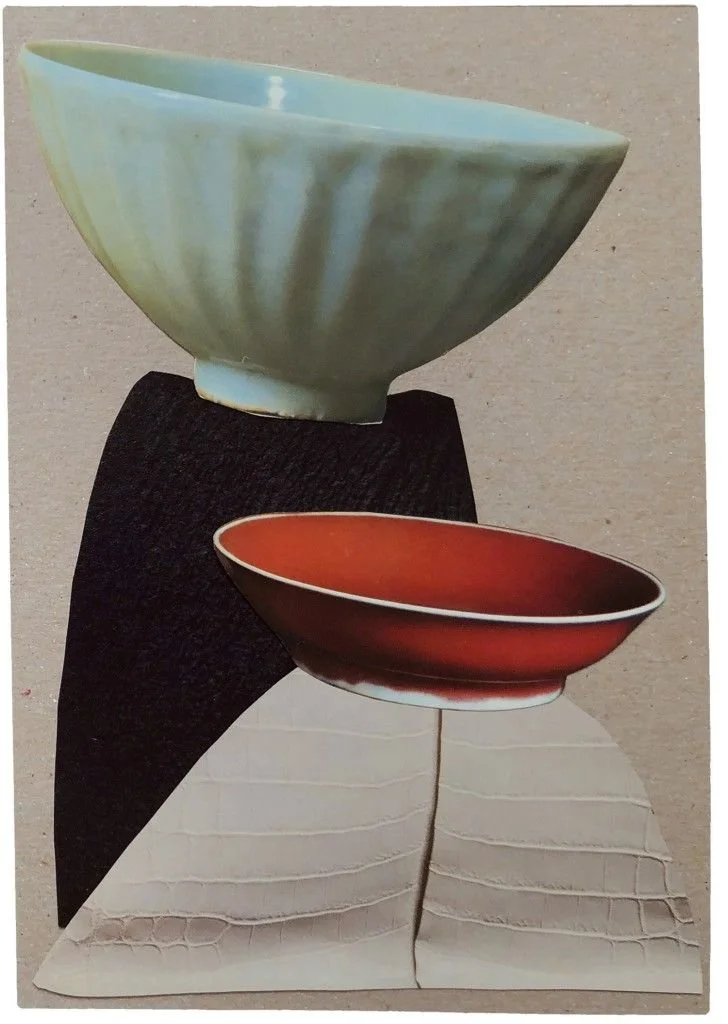
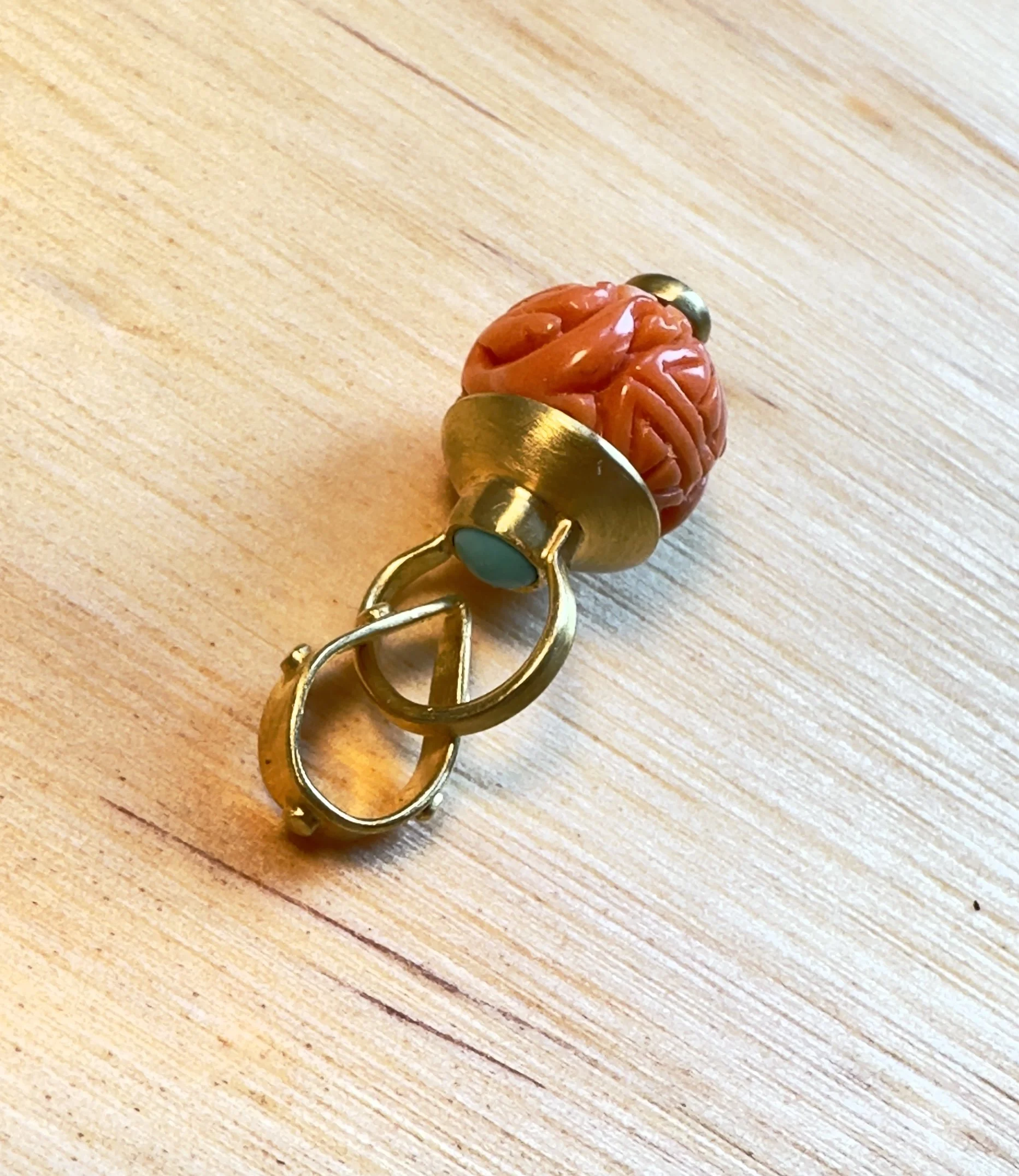
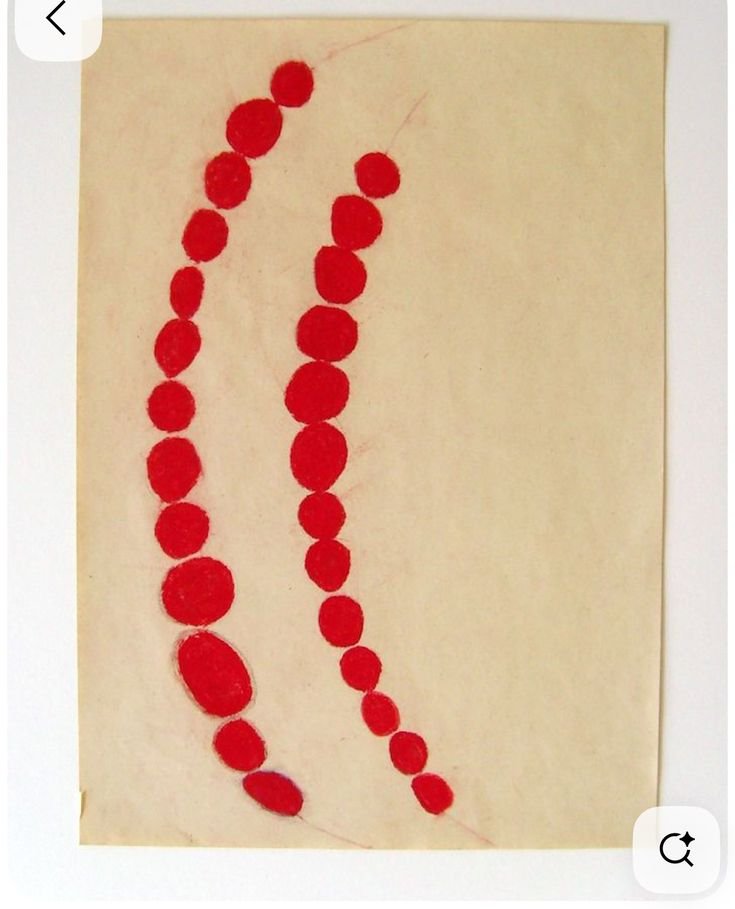
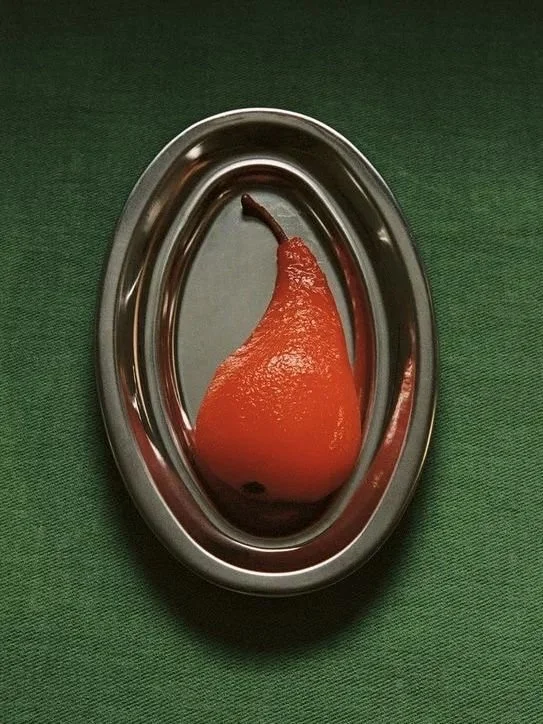
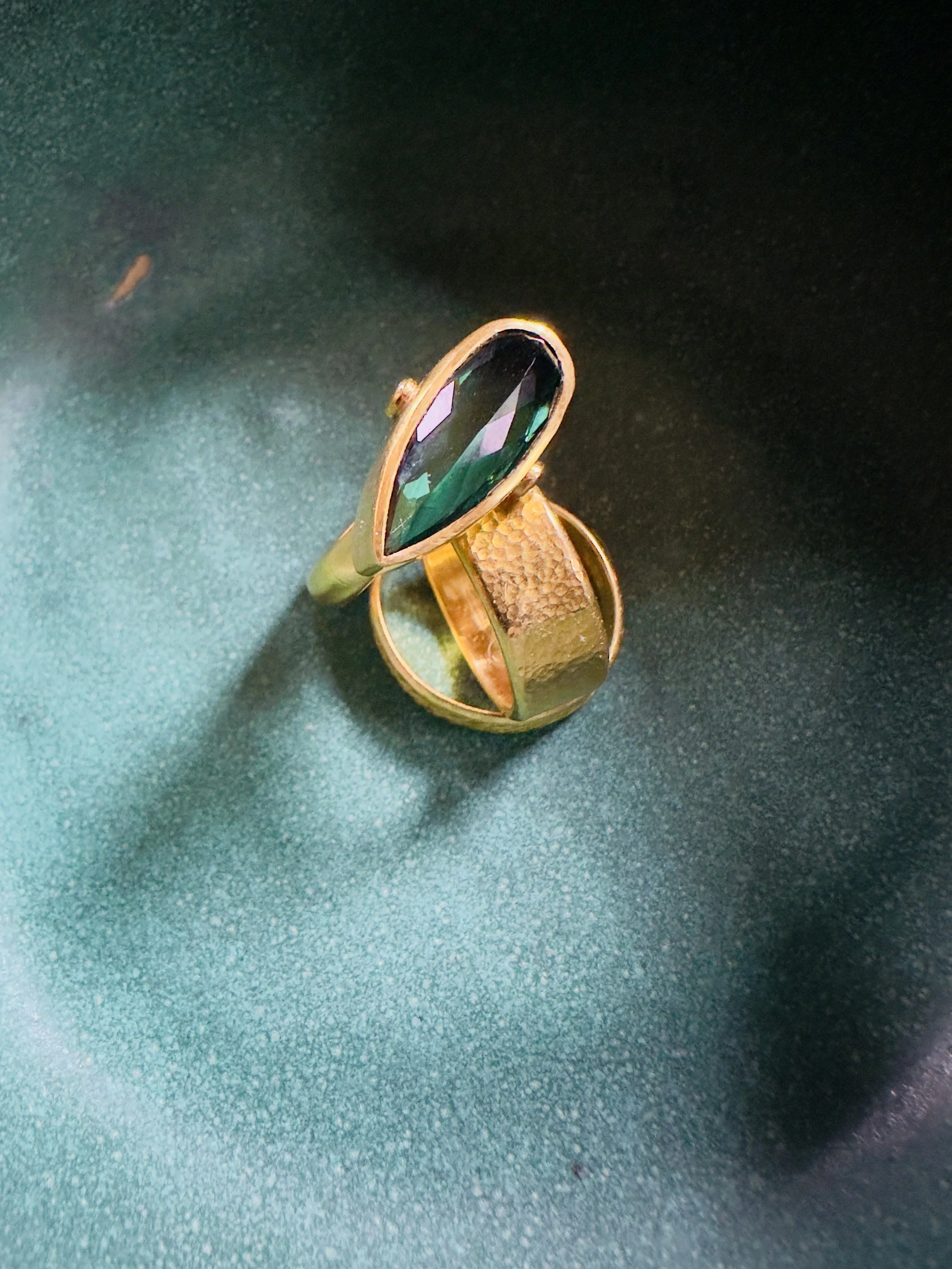
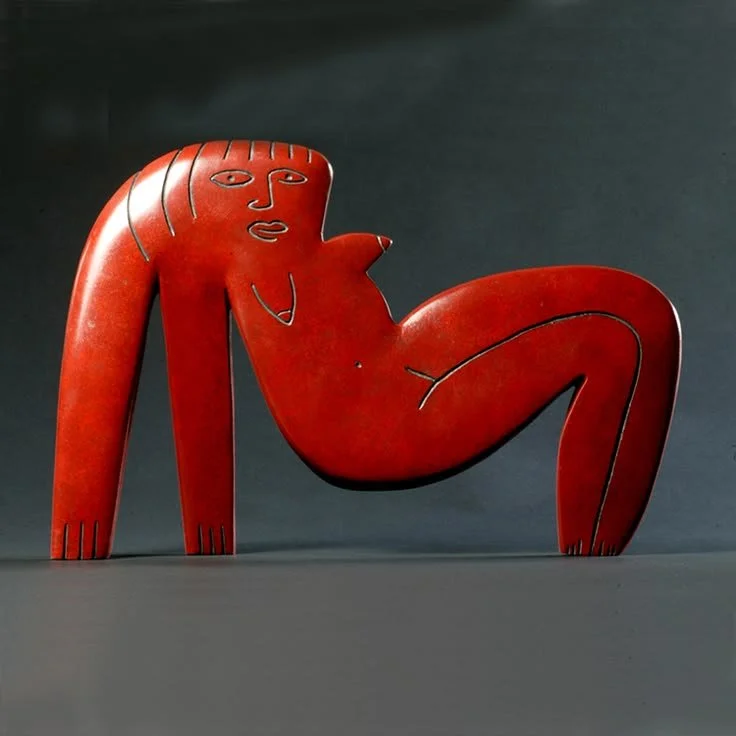
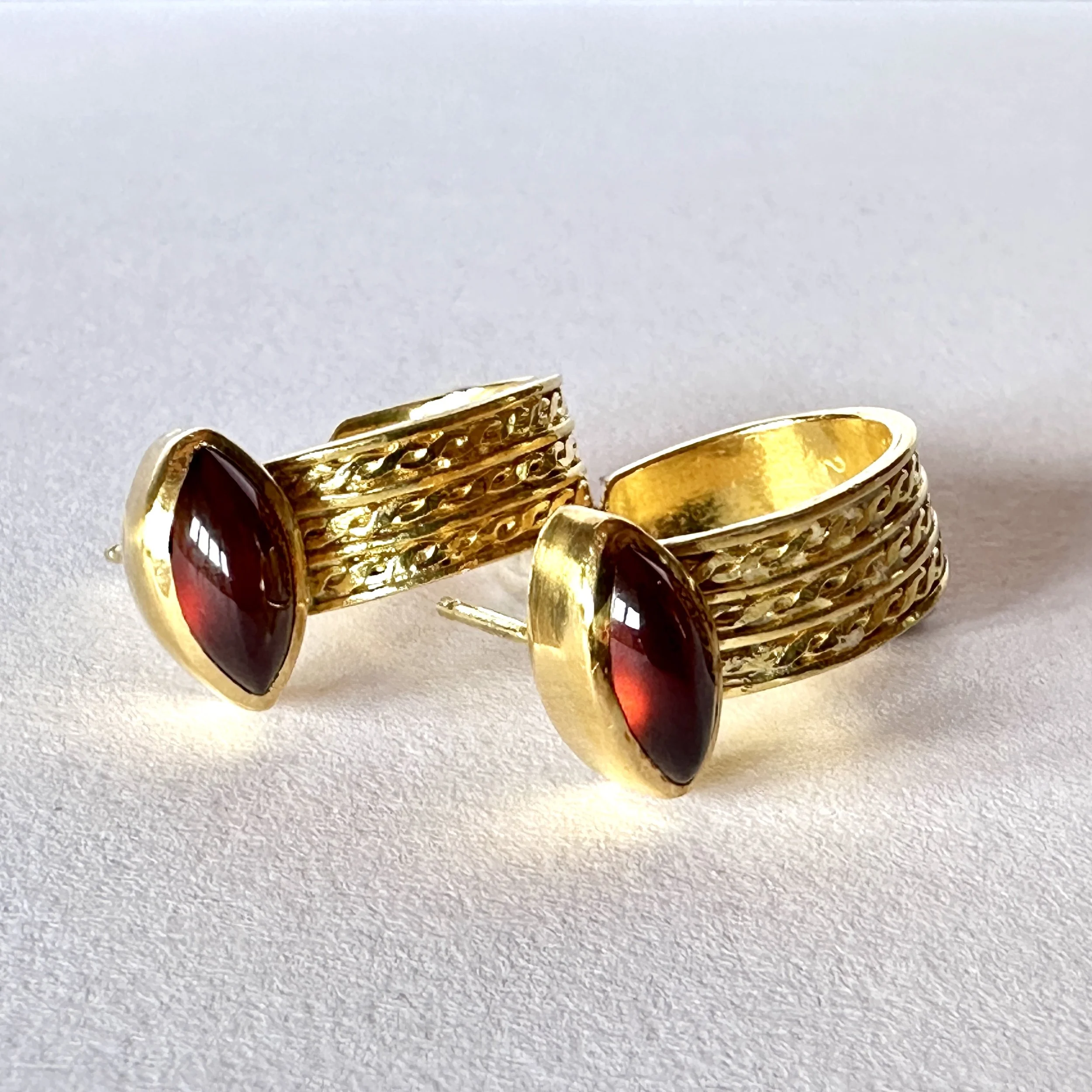
The first thing I recognized was my abiding obsession with bold color. The families of blue: the flat turquoise of a wall that someone is folded over a windowsill against, a pair of aqua glazed bowls my mother had made, a staircase painted the color of a public pool. The almost-purple royal blue of dots on parchment, which later connected to dots on an ancient lapis die I’d made into a pendant. The reds: an orange pear cradled in a silver oval, strings of red dots falling down a page like beads off a broken necklace. A reclining carved red woman later reflected in the garnets leaning back in my braided earring hoops. So many images contained something hot pushed right up against the cool: a red sweater, red fingernails, an orange door swung open against a blue walled room. I had pinned the same collision between two powerful colors dozens of times and filed them away, never returning once they’d landed on a board. Meanwhile, at the bench, I’d been setting pale turquoise into yellow 22k gold against coral the color of a Coho salmon, as if the idea had occurred to me only in the moment.
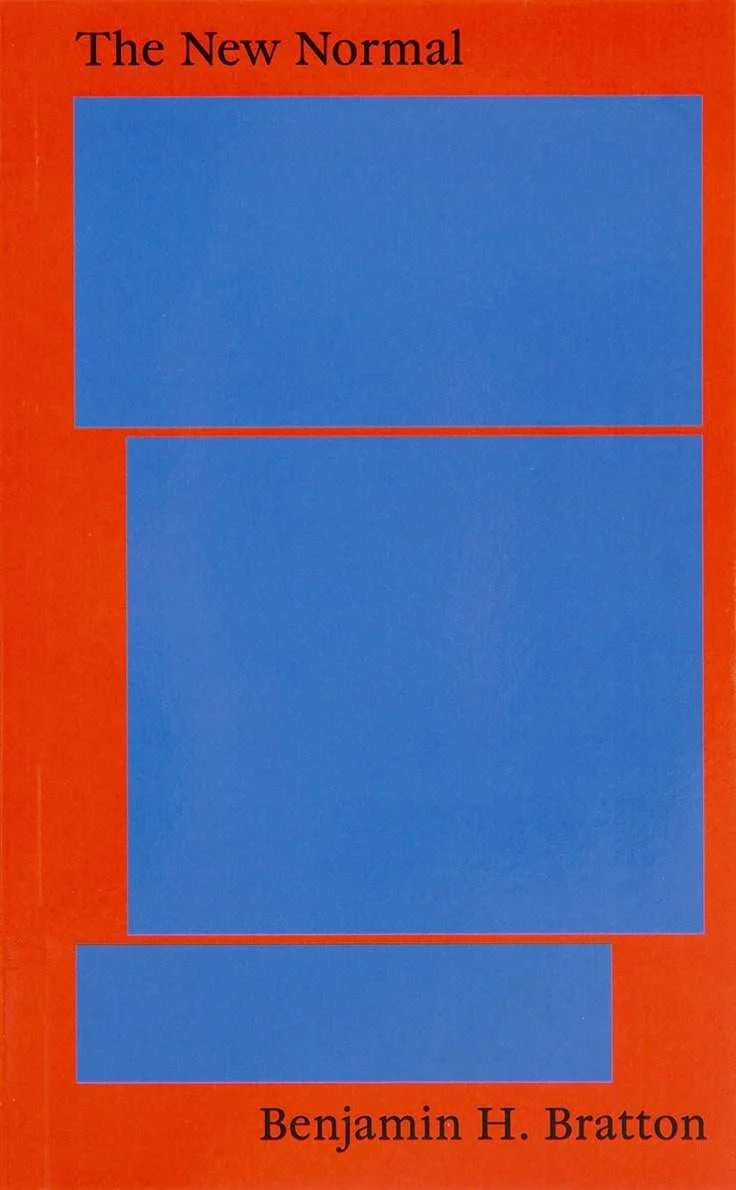

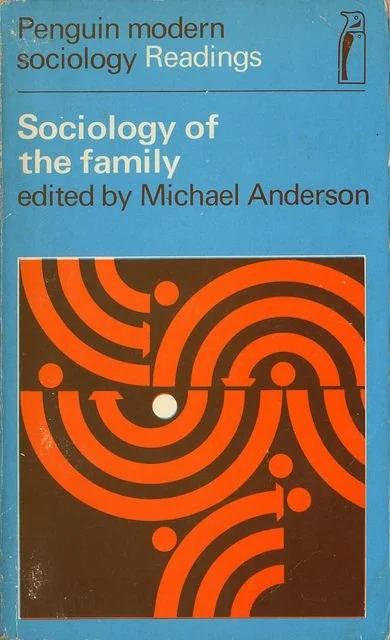
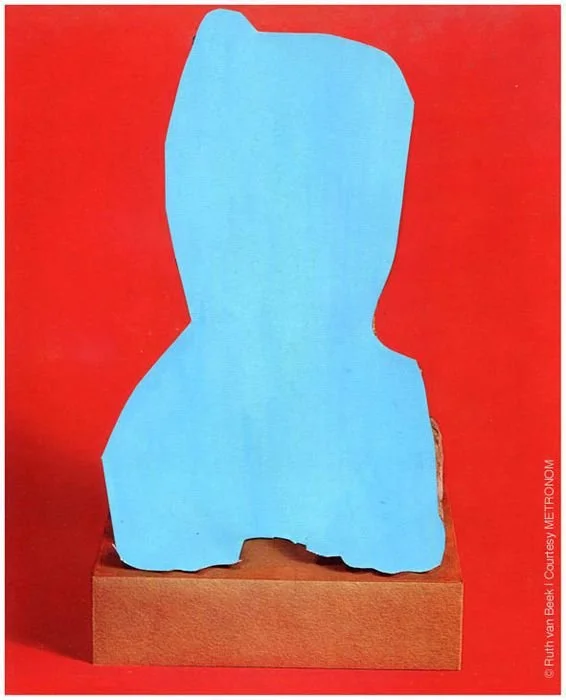
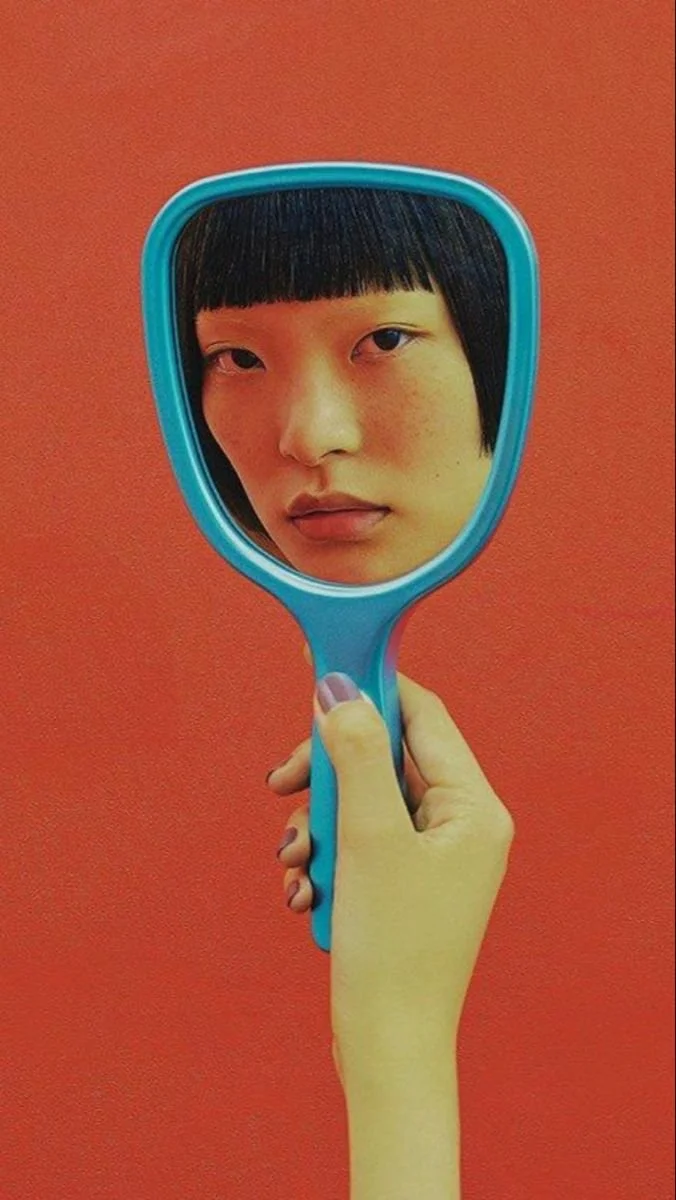
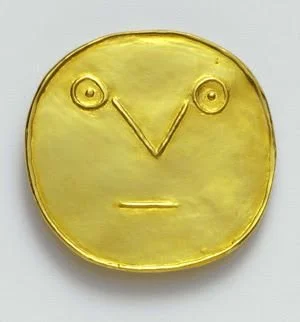
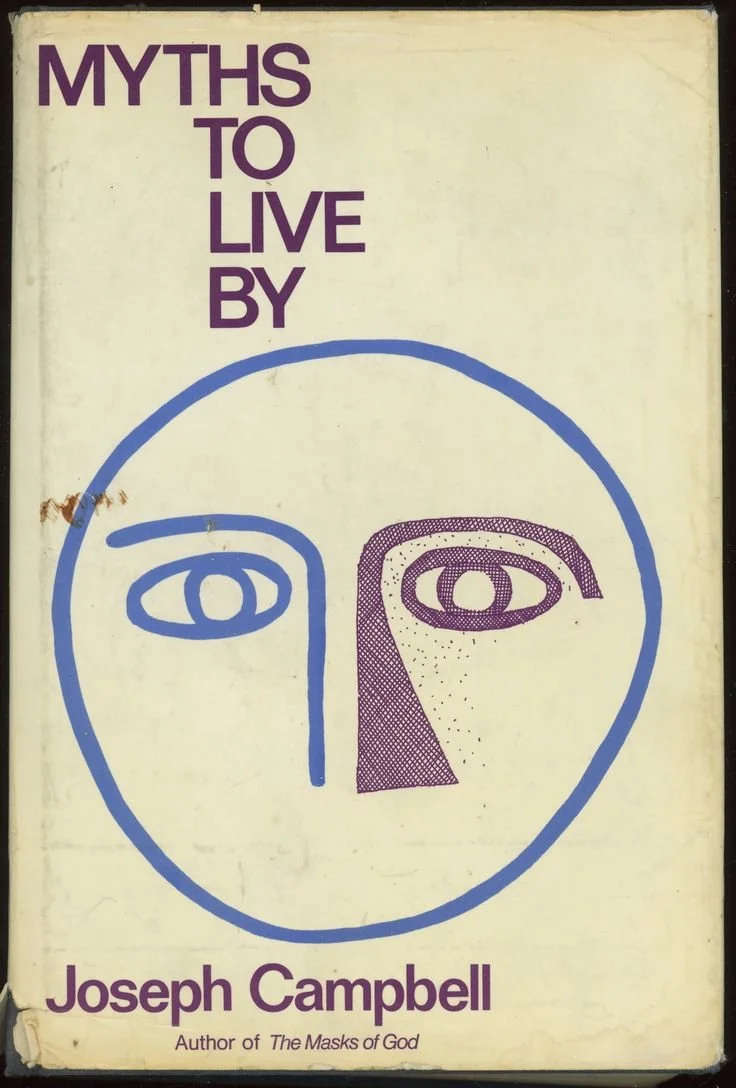
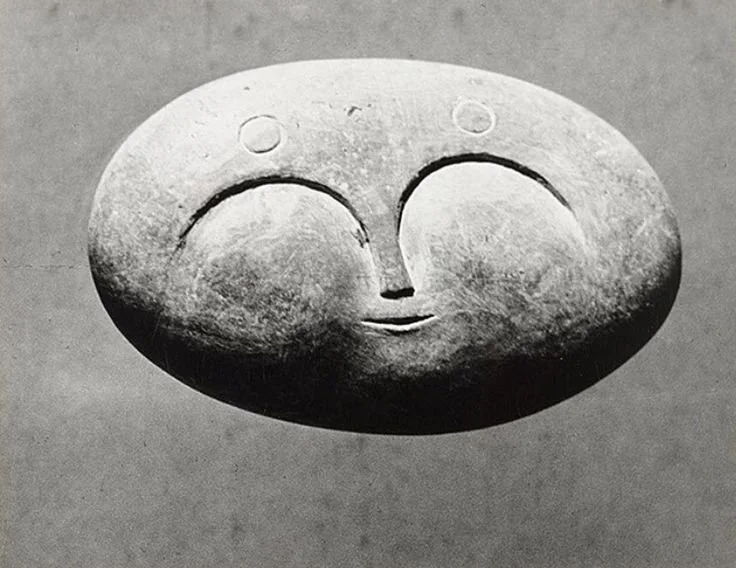
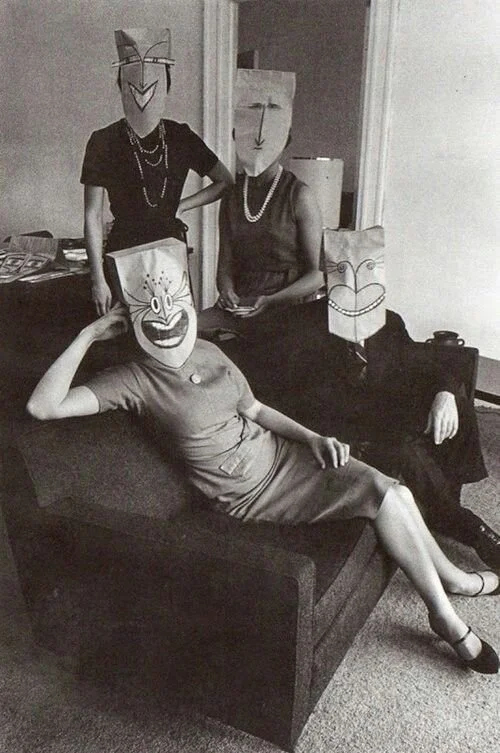
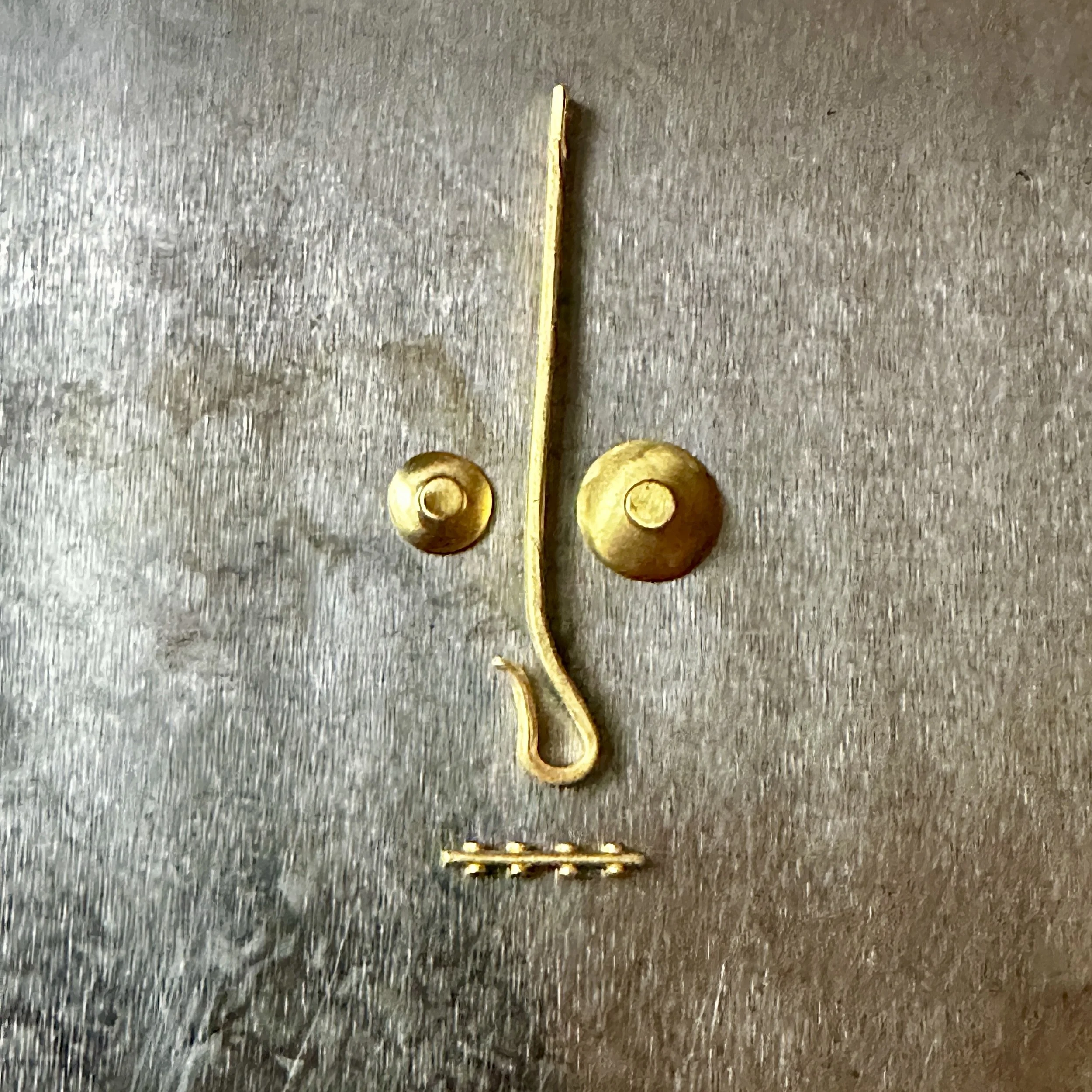
There were the faces. A stone figure with two slits for eyes. hundreds of masks, totems with expressions implacable and serene. A gold disc with two circles, a V, and a dash; a crude and perfect face, one of a series Picasso made with the goldsmith François Hugo. A vintage book jacket. Women sitting around wearing paper bags my old buddy Saul Steinberg had fashioned into remarkable masks. I’d forgotten that months ago, out of boredom, I’d pulled scraps of gold bits and bobs, and assembled them in front of me into a grinning face. I’d made a few metal doodles, taken photos, and swept them back into a box. Perhaps they’re calling me back to reckon with them at last. These images are my silent collaborators. Creativity that came long before me, beckoning me to join in the joy of making rather than shaming me for arriving to it late.
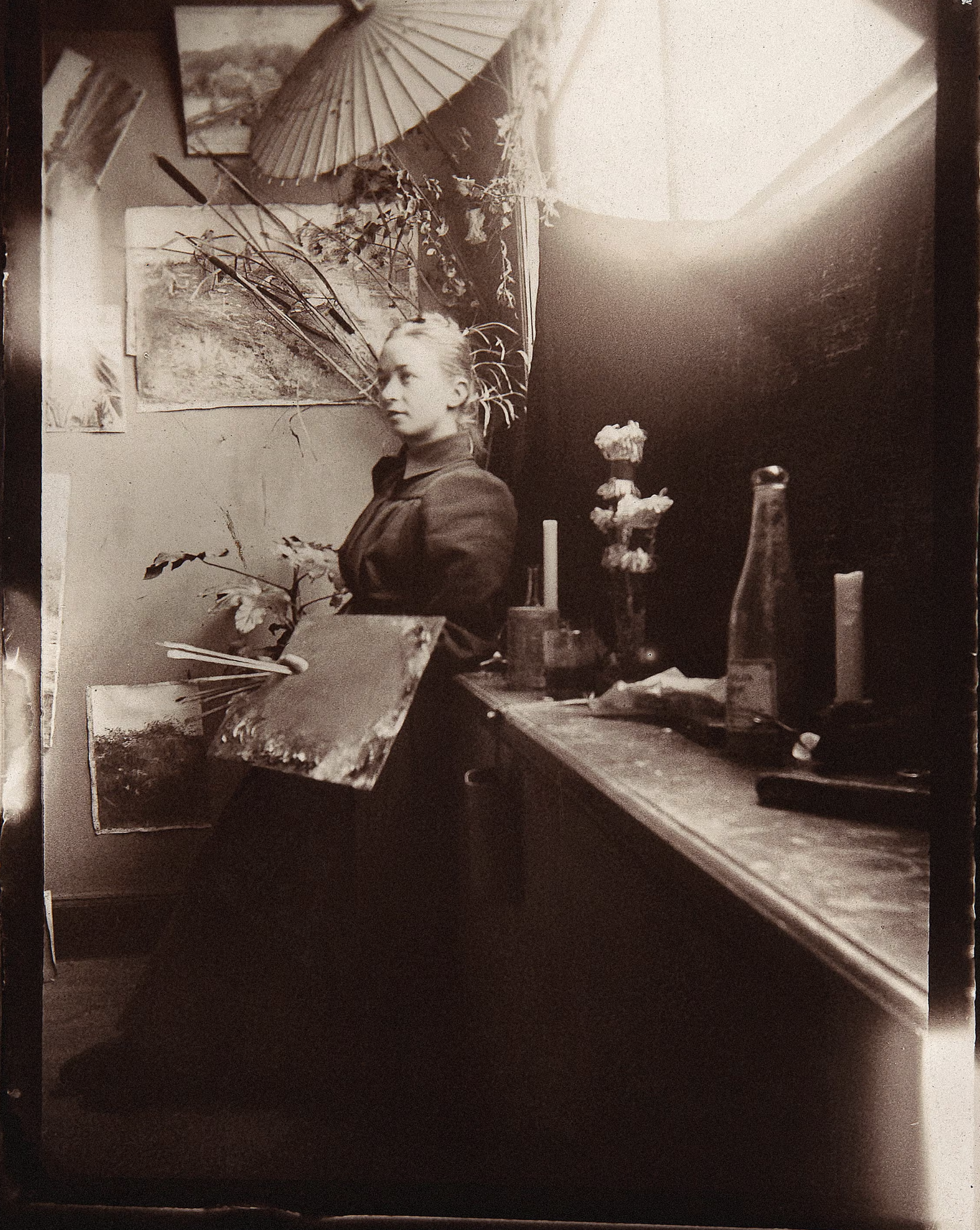
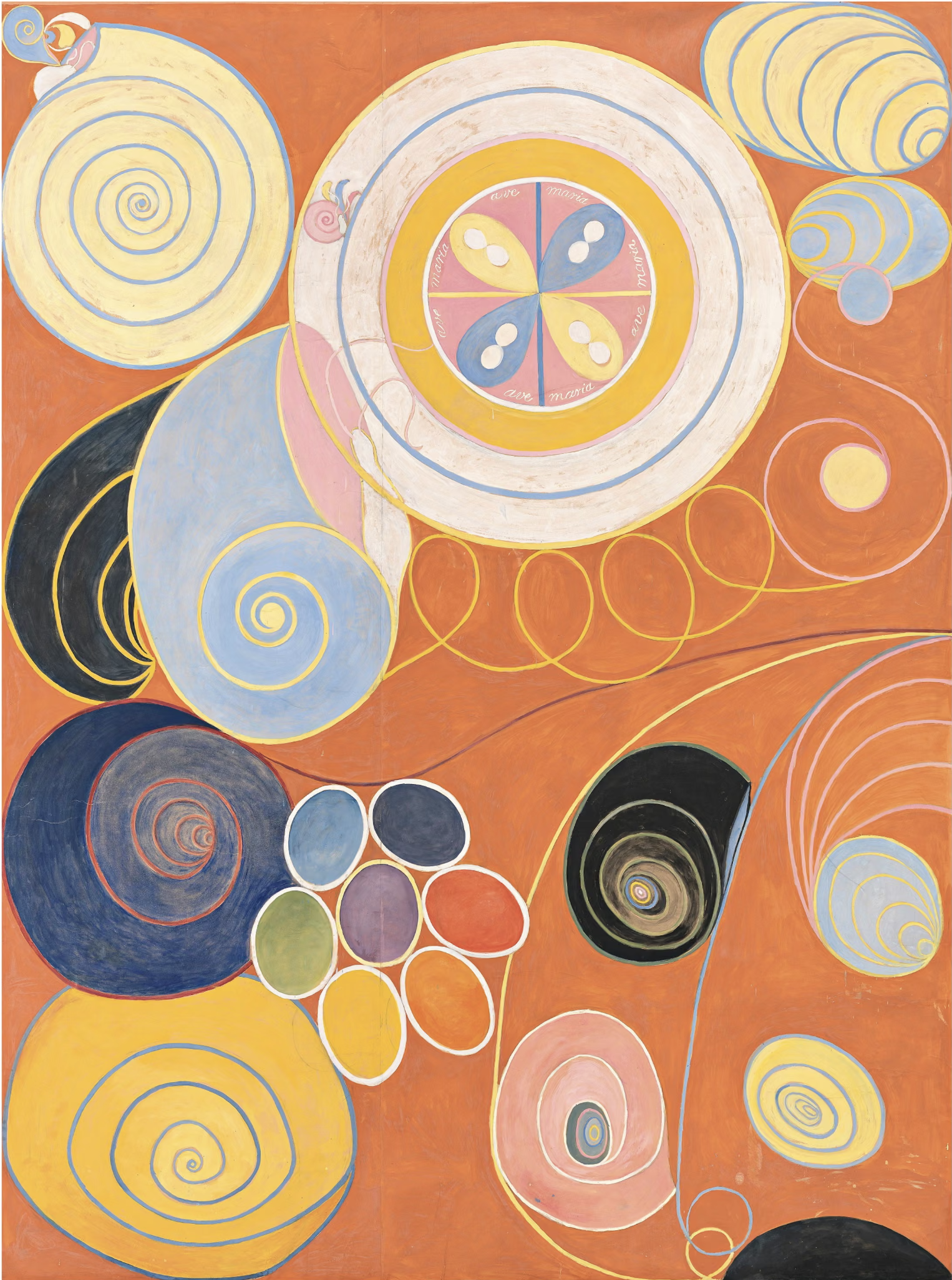
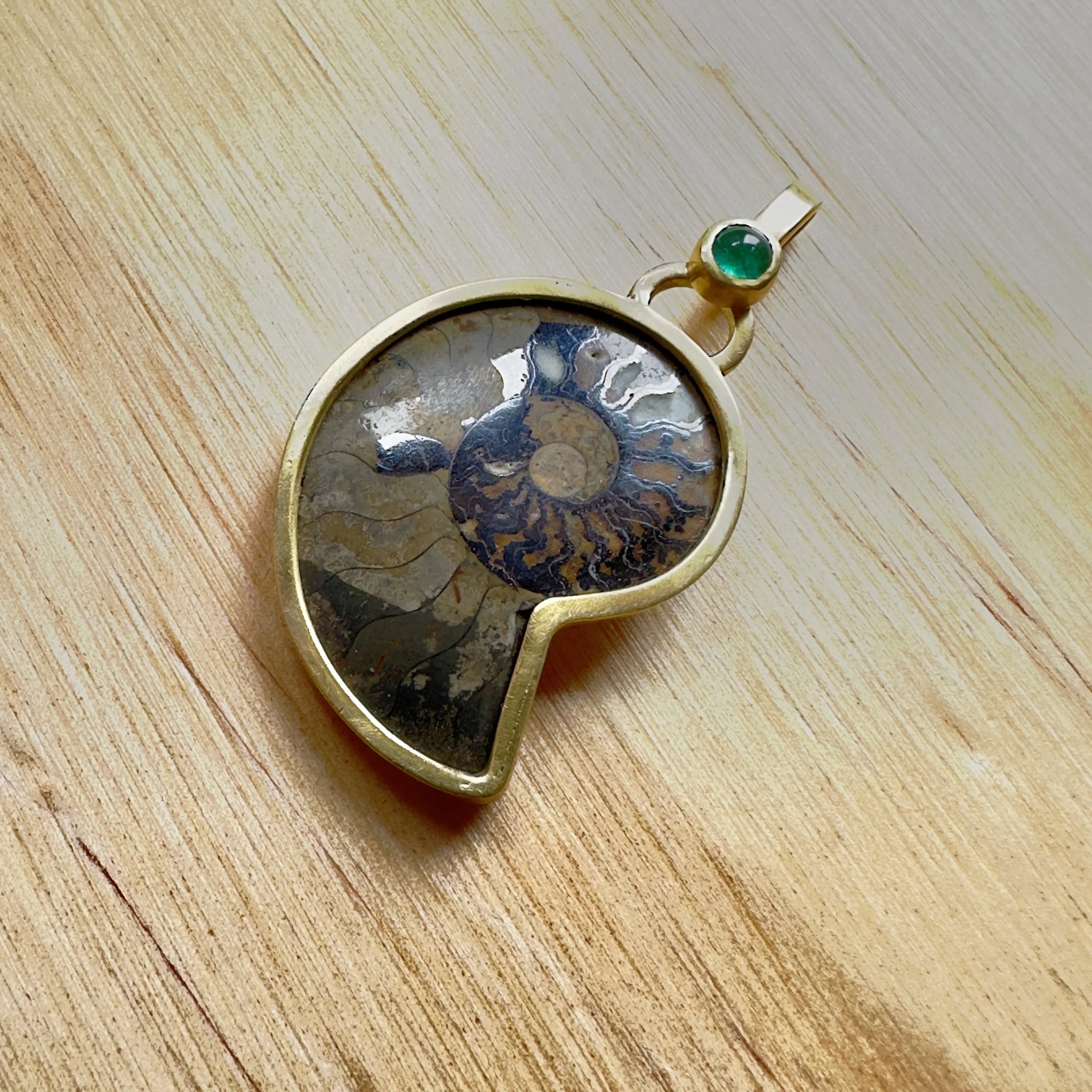
Tucked among all that color are black-and-white photographs of artists in their studios. Women like Ruth Asawa with her undulating looped-wire forms, and Hilma af Klint, whose spirals may be why I was drawn to an ammonite my mother had collected, I later set in gold. But they became my muses less for their style than for what they stood for. I’d always been drawn to images of women at work at their craft. Their drive so visceral. I’m a woman more than ready to be back at work on mine.